

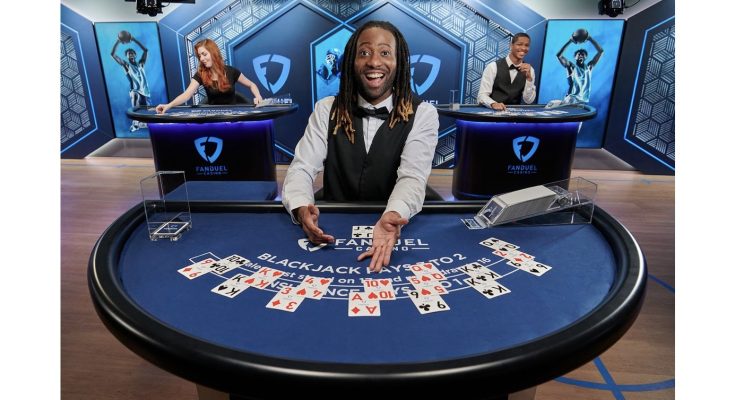

Ever wonder why you feel a certain way when you step into a casino? Or, in the digital age, when you join a live dealer table online? It’s not random. Every detail, from the shade of the felt to the backdrop behind the croupier, is a deliberate psychological play. And honestly, it’s fascinating.
Live dealer studios are a masterclass in environmental psychology. They’re not just broadcasting a game; they’re engineering an experience. A feeling. Let’s dive into how color and theme work together to build trust, excitement, and that elusive sense of “being there.”
The Color Code: More Than Just Decoration
Colors aren’t just pretty. They’re primal signals. In a live casino setting, they work on you almost subconsciously, setting the emotional stage before a single card is dealt.
Reds and Golds: The Pulse of Energy
Think of a classic casino. You’ll see a lot of red. That’s because red is a stimulant. It raises heart rates, creates a sense of urgency and excitement—perfect for encouraging action and bold bets. Gold, its frequent partner, screams luxury, success, and reward. Together, they create an atmosphere of high-stakes glamour. It’s a one-two punch of arousal and aspiration.
Blues and Greens: The Anchors of Trust
Here’s the deal: playing with real money online requires a huge amount of trust. That’s where cooler colors come in. Deep blues are calming and associated with stability, competence, and security (think of major bank logos). Green, beyond its link to money, evokes balance and fairness. Many studios use these in interfaces, dealer clothing, or lighting to subconsciously reassure you that everything is above board and professional.
Black and Purple: The Aura of Exclusivity
Black is powerful. It’s sleek, sophisticated, and creates a sense of mystery and VIP exclusivity. Purple has long been the color of royalty and premium service. Studios targeting high-rollers often lean into this palette. It whispers, “This is a special place for discerning players,” rather than shouting. It makes the experience feel curated.
The key is balance. Too much red can feel aggressive; too much blue can be cold. The best studios use color like a composer uses notes—for rhythm and mood.
Themed Worlds: Building a Believable Escape
Color sets the mood, but theme builds the world. A theme is the narrative wrapper that makes the studio feel like a real place, not just a green-screen void. And in today’s market, it’s a major differentiator.
You know, the most common theme is still the Classic Casino Elegance: mahogany tables, soft spotlighting, a hint of Art Deco. It’s familiar, it’s aspirational, and it directly mirrors the land-based experience people might crave. It says “established” and “legitimate.”
But we’re seeing a huge trend toward Immersive and Fantasy Themes. Think ancient Egyptian tombs, futuristic cyber-lounges, or lush tropical resorts. These do something brilliant: they trigger wonder and curiosity. They’re shareable, memorable, and they distract from the physical distance between you and the game. You’re not just betting; you’re on an adventure. This is a direct answer to a player pain point—the fear that online play is impersonal.
Then there’s the Minimalist & Modern Studio. Clean lines, neutral colors, and tech-forward design. This theme communicates transparency, speed, and a no-nonsense approach. It appeals to a player who wants the game, pure and simple, without the “casino cheese.” It feels honest, which is a powerful psychological tool in itself.
How It All Fits Together: A Sensory Symphony
So, color psychology and thematic design don’t operate in silos. They’re in constant conversation. A “Monte Carlo” theme will use a different color palette than a “Neon Tokyo” theme, and each will elicit a distinct emotional response.
| Theme Example | Dominant Color Palette | Target Psychological Effect |
| Classic Luxury Casino | Red, Gold, Deep Blue, Mahogany | Excitement, Trust, Aspirational Wealth |
| Jungle Adventure | Green, Brown, Earth Tones, Pops of Gold | Discovery, Fun, Escape from the Ordinary |
| Modern Tech Lounge | Cool White, Blue, Black, Silver | Trust in Technology, Clarity, Efficiency |
The studio’s physical layout and lighting are the final, crucial pieces. Warm, soft lighting on the dealer’s face fosters a human connection—it feels intimate. Harsh, flat lighting can feel interrogative. Props and set-dressing within the theme (bookshelves, architectural details, subtle branding) add layers of authenticity. It’s about crafting a cohesive, believable space that your brain accepts as “real.”
The Real Goal: It’s About Feeling, Not Just Seeing
At its core, this meticulous design serves a few non-negotiable human needs:
- Trust & Credibility: You need to believe the game is fair and the operator is professional. Cool colors, clean design, and a professional theme build that bridge.
- Reduced Anxiety: Gambling inherently involves risk. A well-designed, comfortable environment—even a digital one—can lower the stress response, making the session feel more like leisure and less like a tense transaction.
- Social Connection: Live dealer is about beating the loneliness of RNG games. A welcoming, human-centric design makes the interaction with the dealer and other players feel more genuine. It fosters community.
- Memorable Experience: In a sea of online options, a unique, well-executed theme makes a studio sticky. You remember it. You return to it. It has a personality.
That said, the psychology can backfire if it’s heavy-handed. A theme that’s too distracting can pull focus from the game. Colors that clash can create subconscious unease. The magic lies in subtlety—in designing an environment you feel, but don’t necessarily dissect.
The Final Card on the Table
Next time you join a live dealer table, take a second to look around. Not just at the cards. Notice the color of the felt. The backdrop. The dealer’s attire. Ask yourself how it makes you feel. Secure? Excited? Curious?
That feeling isn’t an accident. It’s the result of a deep understanding of the human psyche, translated into visual and environmental cues. The most successful live casino studios aren’t just hosting games; they’re architects of emotion, using every tool in the designer’s kit to craft an experience that resonates on a level deeper than the game itself. In the end, they’re selling a vibe. And honestly, we’re all buying it.