

Let’s be honest. When you think “lottery,” you might picture a simple ticket, a set of numbered balls, and a giant jackpot. But that’s just the surface. Scratch a little deeper—pun intended—and you’ll find a world of regional lottery variations that are, well, a cultural jackpot in themselves.
From ancient rituals to modern-day community fundraisers, the way people play games of chance tells a profound story about who they are. It’s not just about winning money. It’s about hope, tradition, and a shared belief in a twist of fate. So, let’s dive in and explore how lotteries around the world reflect the unique spirit of their cultures.
More Than Just Numbers: Lotteries as Cultural Mirrors
You know, the mechanics of a lottery are almost universal. You stake something, you take a chance, and you await an outcome. But the flavor? That changes completely from one region to the next. The format, the symbols, even the way prizes are distributed—they all act as a mirror to societal values, historical context, and collective dreams.
In some places, the lottery is a direct legacy of ancient divination practices. In others, it’s a carefully engineered tool for social good. The cultural significance of lottery games is woven into their very design.
Asia: Tradition, Symbolism, and Community Luck
Here’s the deal in many Asian cultures: luck isn’t just a personal matter; it’s a communal resource. This belief shapes lottery play in fascinating ways.
Take Japan’s “Takarakuji”. These public welfare lotteries are run by local governments, and that’s a key point. The proceeds fund public projects—roads, schools, social services. Winning is great, but buying a ticket is also a civic duty, a small contribution to the community’s fortune. The tickets themselves are often beautiful, featuring traditional art or seasonal motifs.
Then there’s the phenomenon of dream interpretation in Chinese lottery culture. Seriously. In places like Hong Kong, Singapore, and Malaysia, players often turn to “dream books” after a vivid night. See a pig in your dream? That might correspond to a specific number. It links the lottery to a much older, spiritual tradition of seeking signs and omens from the universe.
Europe: History, Statecraft, and the National Jackpot
Europe is where the modern, state-run lottery really took root. The cultural significance here is often tied to history and national identity.
Italy’s “Lotto” has been running since the 16th century. It’s not just a game; it’s a historical institution. Played weekly, it’s deeply embedded in daily life, with numbers often tied to smorfia napoletana (Neapolitan dream interpretation) or significant dates. The draw is a ritual, broadcast nationally, connecting people to a centuries-old tradition.
Meanwhile, the UK’s National Lottery, launched in 1994, reshaped the cultural landscape. Its tagline, “It Could Be You,” was genius. It democratized the dream. More importantly, it created a massive stream of funding for the arts, heritage, and community sports. Buying a ticket became synonymous with supporting the local theatre, the village hall, the Olympic team. The lottery’s purpose is twofold: create millionaires and sustain national culture.
Format Variations That Tell a Story
The rules of the game aren’t arbitrary. They’re a direct reflection of what a society prizes—literally and figuratively.
| Region | Lottery Variation | Cultural Insight |
| Scandinavia | “Lotter” with a focus on slow, monthly draws and many smaller prizes. | Reflects societal values of moderation, patience, and widespread benefit over a single, life-disrupting jackpot. |
| Spain & Latin America | “El Gordo” (The Fat One) Christmas Lottery. It’s a shared-ticket system with a massive communal draw. | Emphasizes community, family, and shared celebration. Whole offices or villages buy shares of a ticket, spreading joy (or consolation). |
| Parts of Africa | Local “banker” games or raffles tied to specific community events or fundraisers. | Highlights hyper-local trust networks and the lottery’s role in direct, immediate community support and development. |
The Darker Side: Cultural Stigmas and Pain Points
Of course, it’s not all civic pride and shared dreams. The cultural significance of lottery games has shadows, too. In some societies with strong religious or conservative values, gambling is heavily stigmatized. Lotteries might exist but operate in a moral gray area—played widely but not discussed openly.
And then there’s the modern pain point: the digital shift. Traditional, physical lottery tickets sold at a corner store are a social activity. The move to online platforms is convenient, sure, but it risks stripping away that tactile, communal aspect. It’s a global tension between tradition and innovation.
North America: The Individual Dream, Amplified
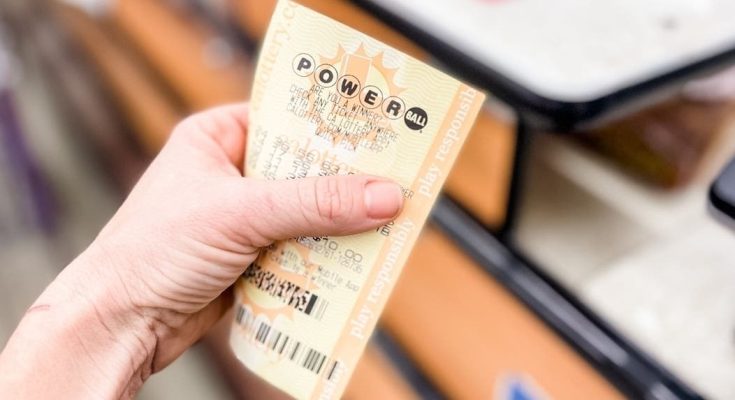
Contrast that with the North American model, particularly in the U.S. and Canada. Goodness, it’s the cult of the individual jackpot. Powerball and Mega Millions are engineered to create eye-watering, news-cycle-dominating, solo billionaires. The narrative is pure “rags to riches,” the ultimate American Dream on fast-forward.
The cultural significance here? It’s about the transformative power of sheer luck for the individual. It fuels a very specific fantasy: one ticket, one person, life changed forever. The community benefit—while present in state lottery funding for education—is often a secondary story to the mega-winner tale.
A Final Thought: What Are We Really Buying?
So, after this whirlwind tour, what’s the takeaway? When we buy a lottery ticket, we’re purchasing more than a chance to win. We’re buying into a story our culture tells about fate, fortune, and the future.
We’re participating in a ritual. Whether it’s a Japanese grandmother carefully selecting a beautiful “Takarakuji” ticket, an Italian nonna checking the smorfia for yesterday’s dream, or an office pool in Madrid chipping in for “El Gordo,” we’re connecting to something older and deeper than the draw itself.
The regional lottery variations aren’t just quirks of the game. They’re the heart of it. They remind us that hope might be universal, but the way we choose to package and pursue it is beautifully, uniquely human.